
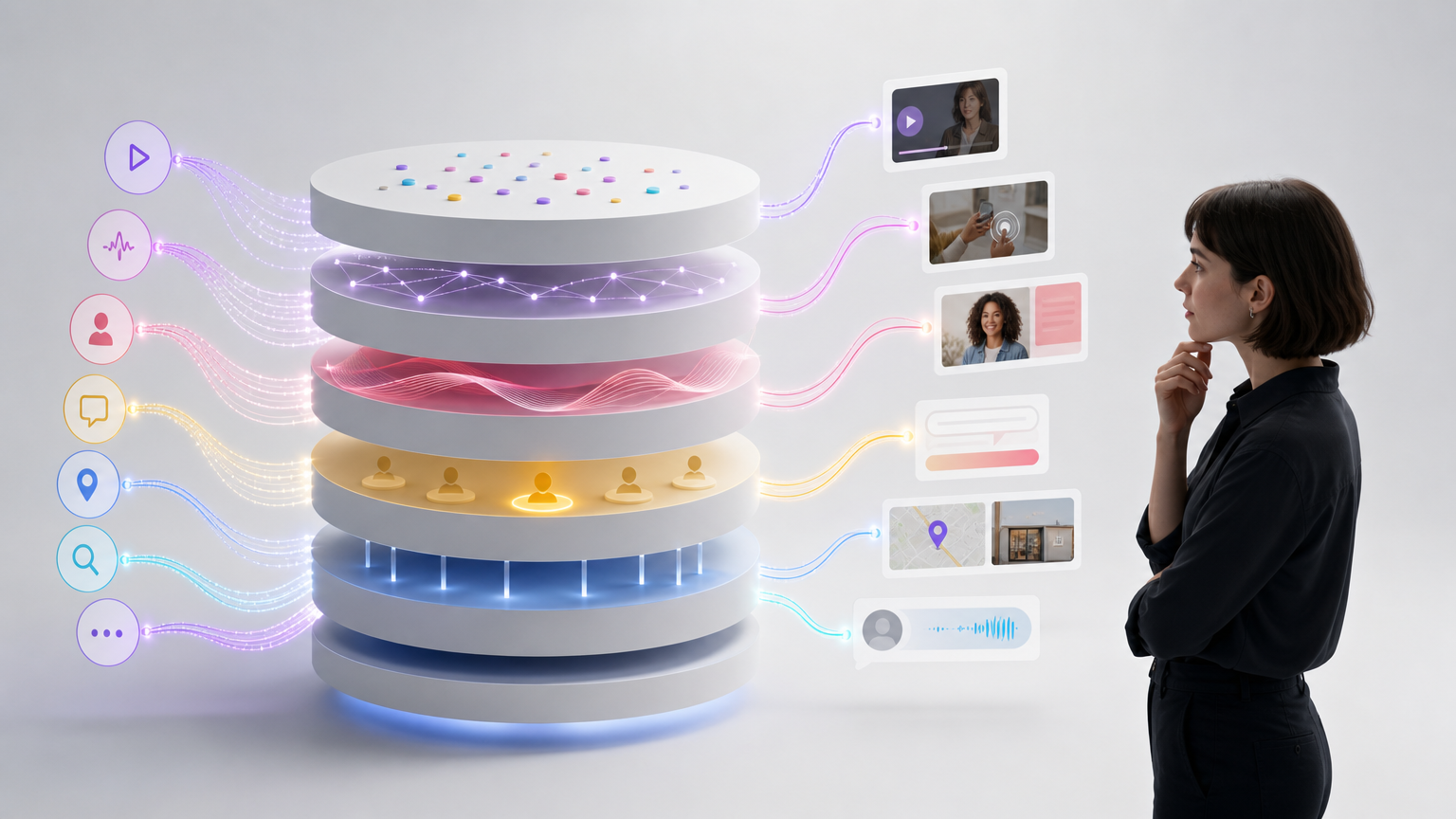
Algorithm shifts are frustrating because they expose weak systems.
If a business depends on one format, one channel, or one tactic, a platform change can quickly disrupt performance.
The answer is not to chase every new ad format blindly. The answer is to build a marketing system that learns faster.
Platforms reward what they can measure
Algorithms change because platforms are trying to keep attention, improve relevance, and sell better ad inventory.
That means formats will keep changing:
- short video
- interactive ads
- creator-style content
- lead forms
- AI-assisted placements
- conversational ad experiences
- local and map-based formats
The format matters, but the message matters more.
Creative needs a feedback loop
Strong teams test creative around real hypotheses:
- Which pain point gets attention?
- Which proof point builds trust?
- Which offer creates action?
- Which audience responds?
- Which format carries the idea best?
AI can help produce variations, but it should not replace the thinking behind the test.
First-party insight becomes more valuable
As platforms change targeting, businesses need better internal learning. Sales calls, support questions, CRM notes, search terms, and customer conversations all contain signals that should shape creative.
That is where a Business Brain helps. It organizes the knowledge the business already has so marketing can use it.
Do not let formats lead strategy
New ad formats can create opportunity, but they should serve the message and buyer path.
The safest strategy is a flexible content system: clear positioning, fast creative testing, strong follow-up, and measurement that connects ads to real outcomes.
Algorithms will keep shifting. A business with a coherent message and learning loop can adapt without rebuilding from zero every time.