
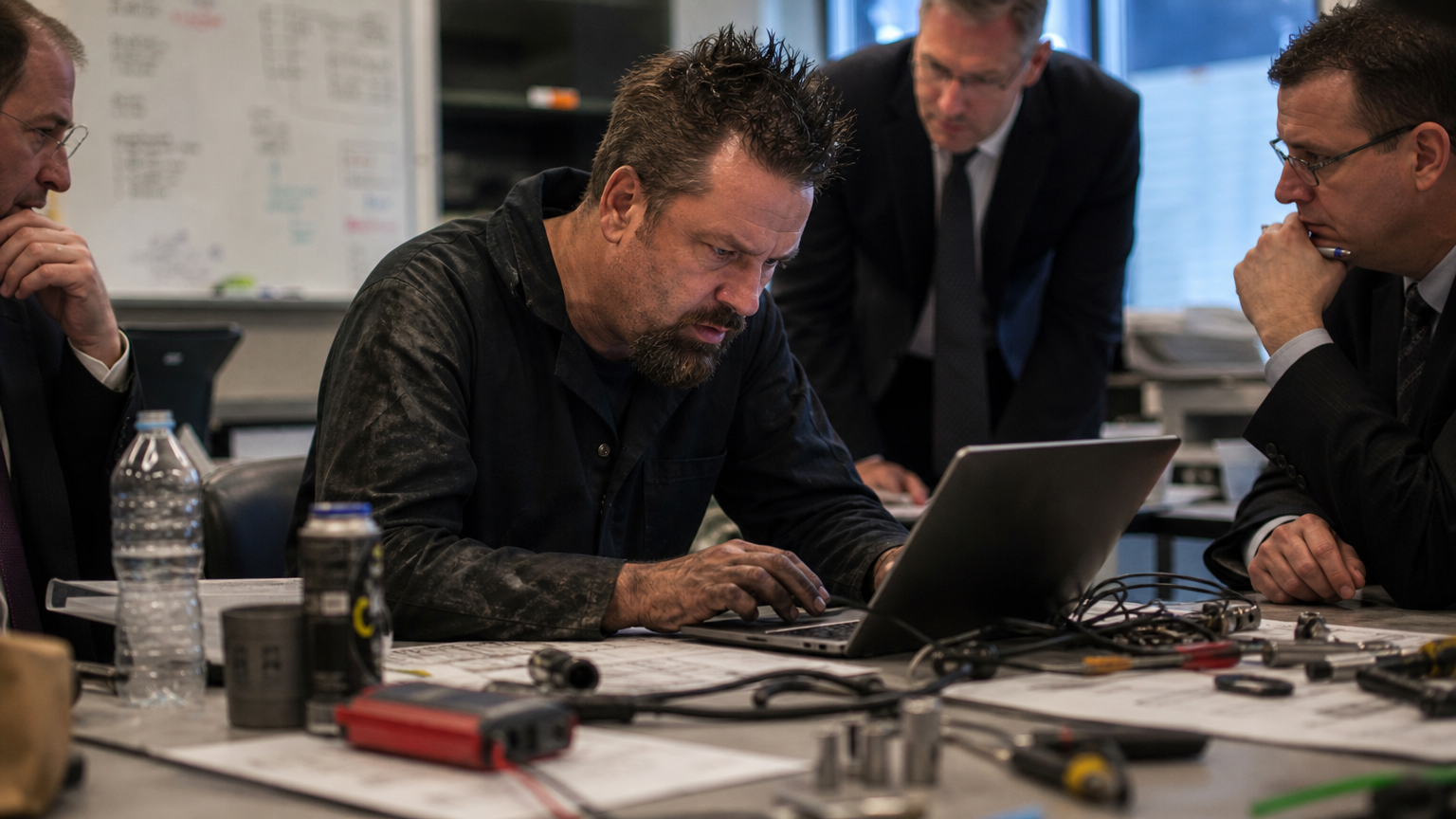
I might be the world’s first AI mechanic.
I have not looked it up. Maybe someone else said it first. But the label captures what I actually spend my time doing: repairing systems that, in some cases, did not exist until we built them.
That is the part of agentic engineering people often miss. They think you build the product, ship it, and move on to the next thing. In reality, shipping is usually the beginning of the difficult work.
Building is the beginning, not the finish line
An agentic product can touch a surprising number of tools, services, data sources, instructions, and decision paths. A change in one place can create a problem somewhere else. A third-party service can change. An integration can fail. A workflow that looked reliable in testing can behave differently when real people start using it.
The result is a system that needs to be lived with.
You may look like you are working on a new product, while most of your time is going into making the current product less fragile, more useful, and easier to operate. That work is not a distraction from innovation. It is what allows the product to become real.
The best products create a new beginning every time you think they are finished. If a system is useful, people will find new ways to use it. Those uses expose new requirements, new edge cases, and new opportunities to improve the design.
The AI mechanic’s job
A mechanic does not just assemble a vehicle and walk away. A mechanic listens for the strange noise, finds the fault, replaces the part, tests the result, and stays ready for the next problem.
That is increasingly how agentic systems need to be operated.
The work includes:
- Finding where an agentic workflow is failing.
- Separating a model problem from a tool, data, integration, or instruction problem.
- Making a targeted repair rather than guessing at a complete rebuild.
- Testing the change against the original failure and likely side effects.
- Getting the improved version back in front of users.
- Learning from what happens next.
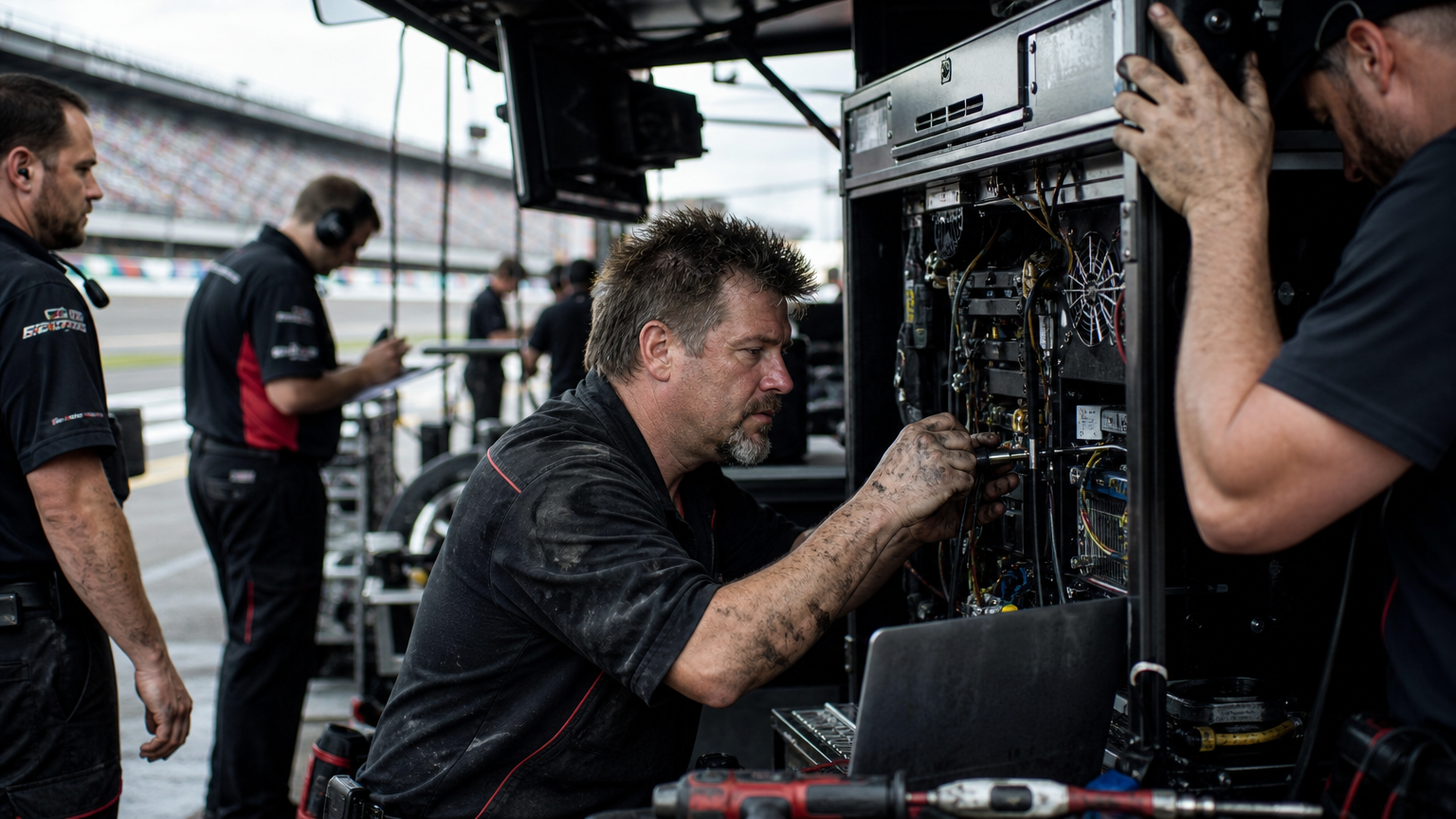
It is less like a one-time software launch and more like a pit crew operating under pressure. The human team is important, but it may not be working alone. In our case, we are also building a growing group of internal agentic tools to help with the work, including one that helps turn conversations into usable content.
That example is revealing. Getting useful content from a busy team was difficult. Instead of treating that as a permanent limitation, we built a tool that interviews the subject, captures the conversation, and helps organize the result. The repair was not just “write more.” It was to redesign the workflow around how the work actually happens.
Minimum viable product, maximum learning
The Lean Startup idea of a minimum viable product is especially useful in this environment. A minimum viable product is not an excuse to release something careless. It is a decision to learn from a real operating system before pretending that every requirement is known.
Agentic products are well suited to this approach because their behavior depends on context. You can design the workflow, test representative cases, and still discover new behavior once the system meets real users, real inputs, and real services.
The loop is straightforward:
- Build a useful first version.
- Put it into operation.
- Measure what happens and collect feedback.
- Identify the most important failure or opportunity.
- Repair the system.
- Repeat.
The difference is speed and complexity. An agentic product may involve several models, tools, prompts, permissions, APIs, and handoffs. The feedback loop therefore has more places to inspect. It is the build-measure-learn cycle with more moving parts and less room for wishful thinking.
The question is not only, “Will it work?” It is also, “How well does it work under the conditions that matter?” You cannot answer that completely from a design document.
Third-party dependencies create another layer of repair
Agentic systems do not operate in isolation. They often depend on hosted databases, authentication services, model providers, APIs, communication tools, and other infrastructure. When one of those dependencies changes or experiences a problem, the agentic product can be affected even if its own code has not changed.
That creates a second kind of debugging.
The team must determine whether the issue is inside the agentic workflow or outside it. Then it needs to understand the blast radius: which users, tools, data paths, and automated actions are affected? A temporary workaround may be enough in one case. In another, the product needs stronger fallbacks, clearer monitoring, or a different architecture.
This is one reason there are levels to the work. Building a prompt is one task. Building a workflow is another. Operating a workflow across multiple dependencies, diagnosing failures, and improving it without breaking something else is a deeper operational discipline.
The more connected the system becomes, the more important repair speed and system visibility become. Complexity is not automatically a reason to stop building. It is a reason to build feedback and recovery into the product from the start.
The work is messy—and that is the point
There is nothing especially glamorous about spending hours tracing a failure through a tool chain. It can feel like your team thinks you are off creating something new when you are actually trying to make the existing product behave better.
But that is the work.
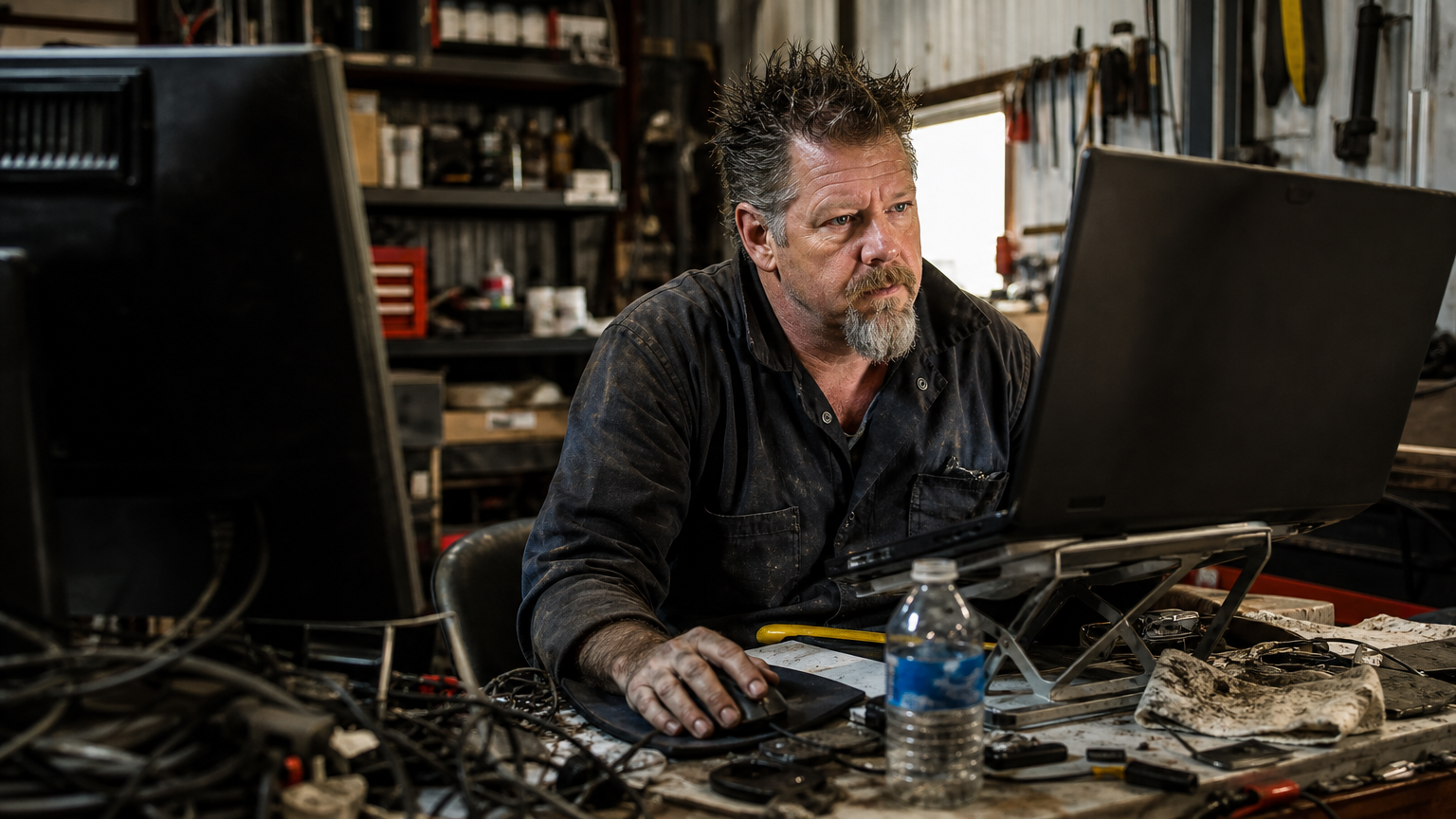
My hands are going to get greasy because there is a lot to unpack when you are building and growing quickly. The useful mindset is not to wait until the system is perfect. It is to release something valuable, pay close attention to how it behaves, and repair it before small problems become structural ones.
If you are building an agentic product, I would like to see what you are fixing. Reach out if you want to compare notes, leave a comment, or tag me in the product you are working on. I want to see the systems people are building, the problems they are finding, and the creative ways they are making the whole thing work better.